One of my favourite movie characters is Anton Ego, the food critic in the animation film Ratatouille. The quintessential food critic whose words can make or break a restaurant. Not one to mince words, always honest to a fault. He may be tough to please, but when he praises your food, you know every word is well-earned.
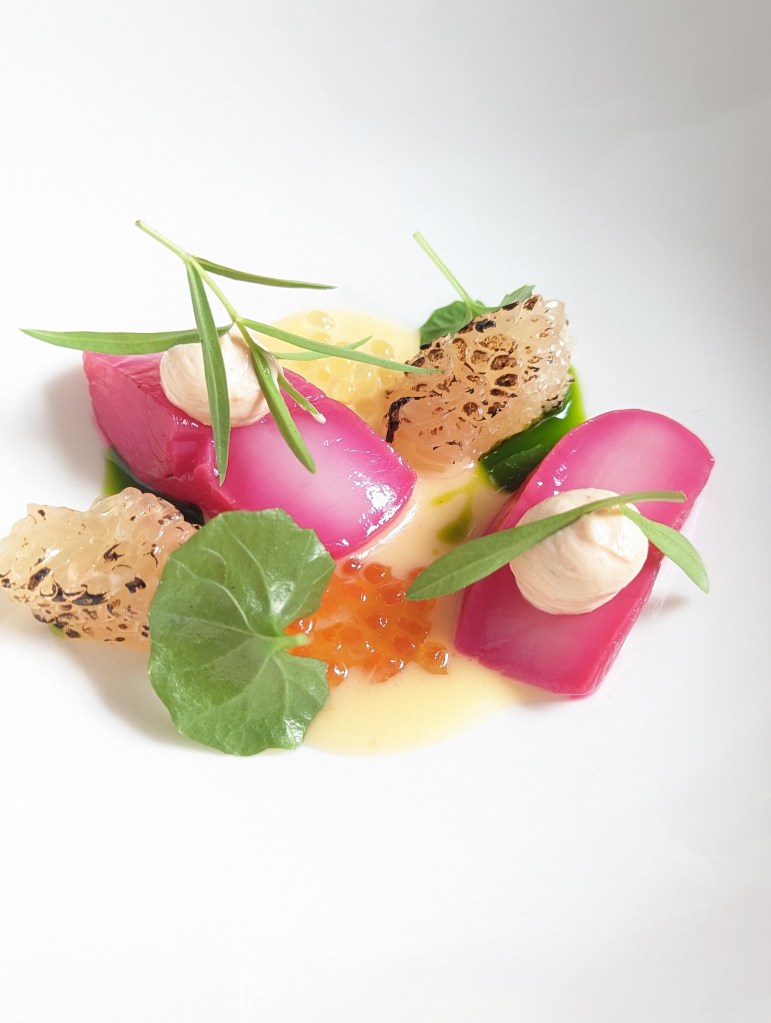
If only that were true for food reviews in the real world. This post is not going to make me popular, but well, that’s the price one pays for the truth. The world of food writing has changed, and not for the better. Journalism has left the building. Gone are the days when you could read a food review and trust its credibility. Reviews are not reviews anymore. They are promotional articles. You pat my back, I pat yours. It’s an advertorial without the watermark.
I’m a part of this industry, and have seen it up close. That’s perhaps why this path the industry is on bothers me so much. It’s become predictable now – getting an invite to a new restaurant opening media tasting, being seated on a table where everyone seems to know everyone. Photos clicked, food eaten and back to office to churn out a 800-word piece on the restaurant. Till here, it’s fine. That’s how marketing works, or should work. But the problem is that everyone doesn’t go back to their desk and write the complete truth and nothing but the truth.
They write the good but not the ugly. There’s an unsaid rule that if you attend a tasting, you don’t write anything negative about the restaurant. So, they talk in circles. They tell you what’s on the menu, without actually taking a stand on whether it’s the best pasta they have eaten in their lives or whether the sauce was so pedestrian that it wasn’t worth the cab fare. They don’t tell you that there are plenty of better options in the vicinity of the restaurant, rather try to excite you to go eat in this one, and come to that conclusion yourself. I’ve done it. I’ve refused to write praises about restaurants that I thought were sub-standard. Sometimes I was backed by an editor who respected my decision, and sometimes I was passed over the next time an invite came.

But I believe that it’s a disservice. To readers who believe every word of what is published. Who make lists of restaurants to try. Who spend hard-earned money at establishments that only conjure up average food in their kitchens. Whether it is fine dining or casual, Michelin starred or World’s 50 Best, its rare that what you read is the complete picture of what you will experience when you visit a restaurant.
But why? Why have we become so scared to say the truth? Is it because we fear that the PR team will cross our names off the invite list next time they have a media tasting? But shouldn’t the restaurant and the PR team strive to reach a level where an honest review will only sing praises, and only then invite the media to witness their creations? It’s like International schools these days – each child is special. No, in the real world, the competitive world, everyone has to strive hard to be special, to do great things and be recognised for them. Accolades don’t fall into your lap based on whom you know.
Do we skim over the unpleasant details so that we don’t upset the cartel, the clique that we have worked so hard to be a part of? But how, then can one call themselves a food critic or a food reviewer? Food writer, sure. You eat food and write about it, albeit with rose tinted glasses. But reviewers should do more than that. They should have an opinion. Compare, assess. They should not be scared to put these down into words so that readers can know all sides of the coin before making a choice.
There’s an article in Tatler this week about how the fine dining scene in Singapore is changing. Highly awarded restaurants are shutting down, often after only a few years of service. But this is not a trend, unlike what the magazine says. It is the consequence of praising average establishments and putting them on pedestals that they can’t live up to. I’ve eaten both at Béni and Sommer, whom the article quotes. Both were sub-standard, non-deserving of the Michelin star that they got. And apparently diners agree with me, given that they couldn’t fill the dining room after the initial PR push had died down.
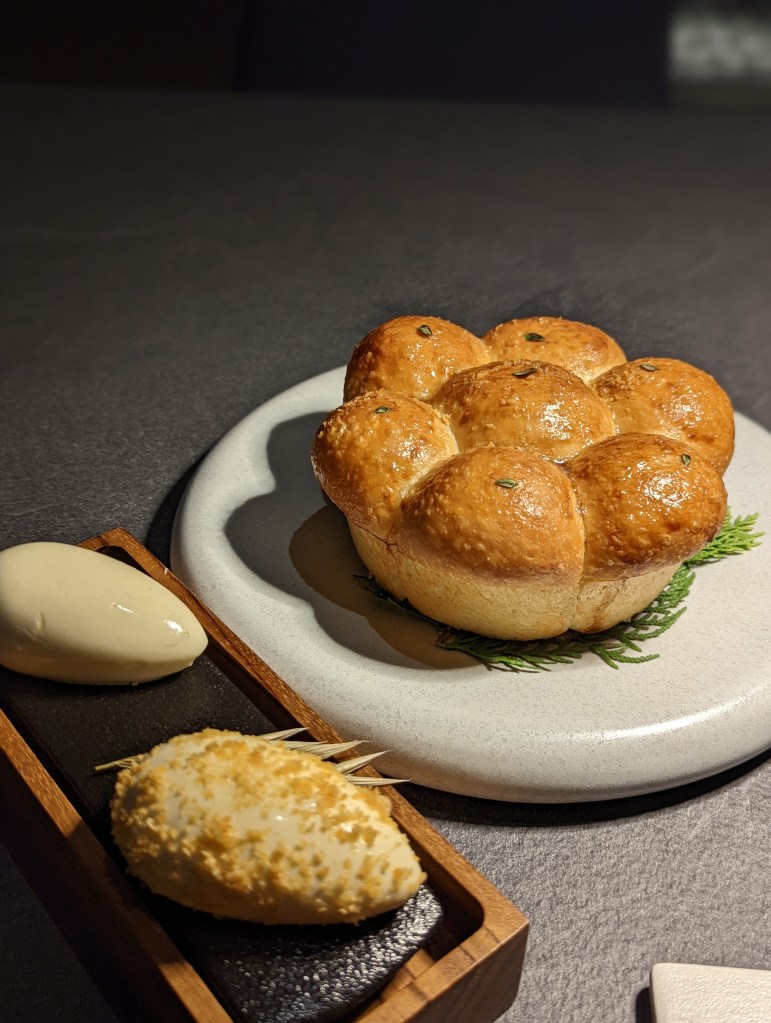
It’s not that great culinary experiences don’t exist. They do. In a sea of average meals, I often chance upon an incredible one. The reimagined ‘Aalu Paratha’ at two Michelin starred Gaa, Bangkok. The bread that dreams are made of at one-star Poise in Singapore (picture above). Lolla, helmed by Chef Johanne Siy and Nouri, both of which craft intimate meals worth the price you pay. The Xiao long bao at Din Tai Fung, and street-style Thai food at Naikhon Kitchen. Great food does exist. But to find it, you can’t rely on lists and reviews anymore.
Word-of-mouth is the only honest compass in today’s world. At the beginning of this year, I sent messages to the people in the food world whom I respect for their understanding of food. Chefs, writers, and a lot of other people associated with the industry. I asked them all one simple question – what are your top 3 places to eat at. Cuisine no bar, price no bar. And then, I cross-referenced these suggestions, picked the names which were being repeated, and made my go-to list for 2024 – places that I should try, regardless of whether they made it to award lists or not (and often they hadn’t).
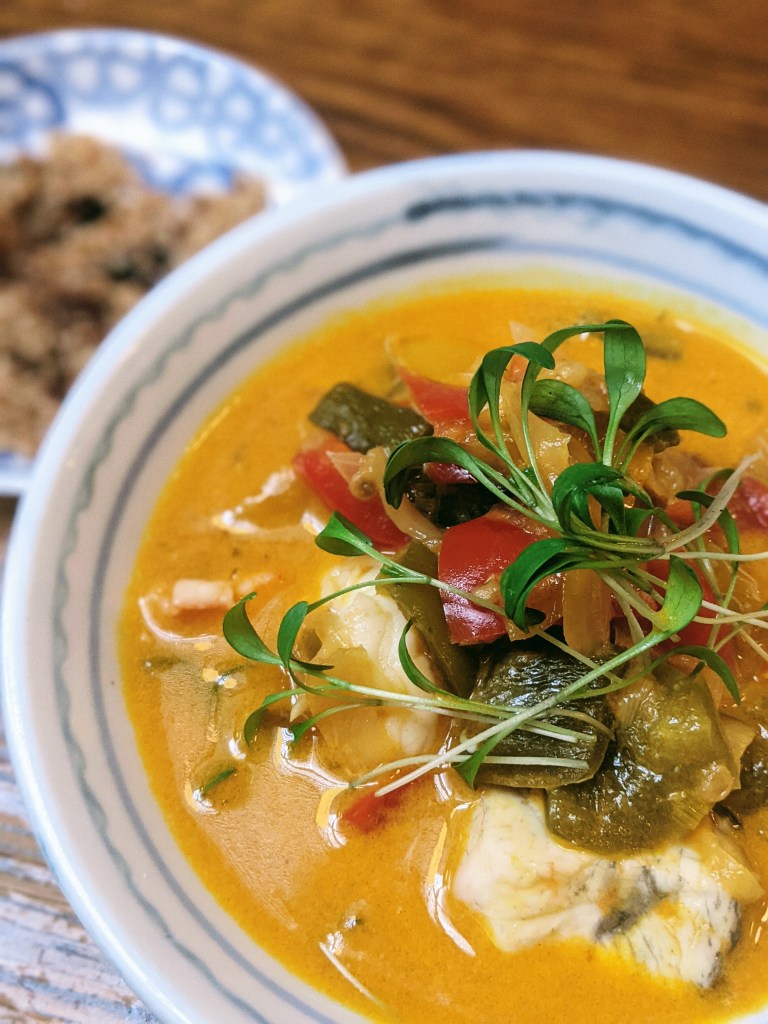
If like me, you are forever on the hunt for good food, try this out. If five different people tell you that a certain place has incredible food, and these people happen to be those whose opinions you trust, that’s where you should go eat. Those five people ideally should have been food journalists, and their opinion an honest account, but an ideal world it is not. Until then, listen to your friends.
 Life In A Million Bites