We tend to make places smaller, to understand them or fit them into a preconceived mould. This is especially true for cuisines. It’s a real challenge to delve into the intricate, local variations within a country’s culinary landscape, so we often settle for the few dishes that have achieved global recognition and assume they represent the whole picture. Alas, what a gross generalisation that is.
Take the most popular cuisine for example – Italian. Food in Venice is very different from that in Tuscany or Rome or Sicily. You’ll barely find pasta in very authentic trattorias in Tuscany, where grilling and good produce take centre stage. Venetian cuisine has a seafood focus, incorporating certain spices as Venice was part of a trading route for centuries. And Rome is where you’ll find the pasta you’re so familiar with – be it carbonara or cacio e pepe. And the famous tiramisu, of course.
Evolution
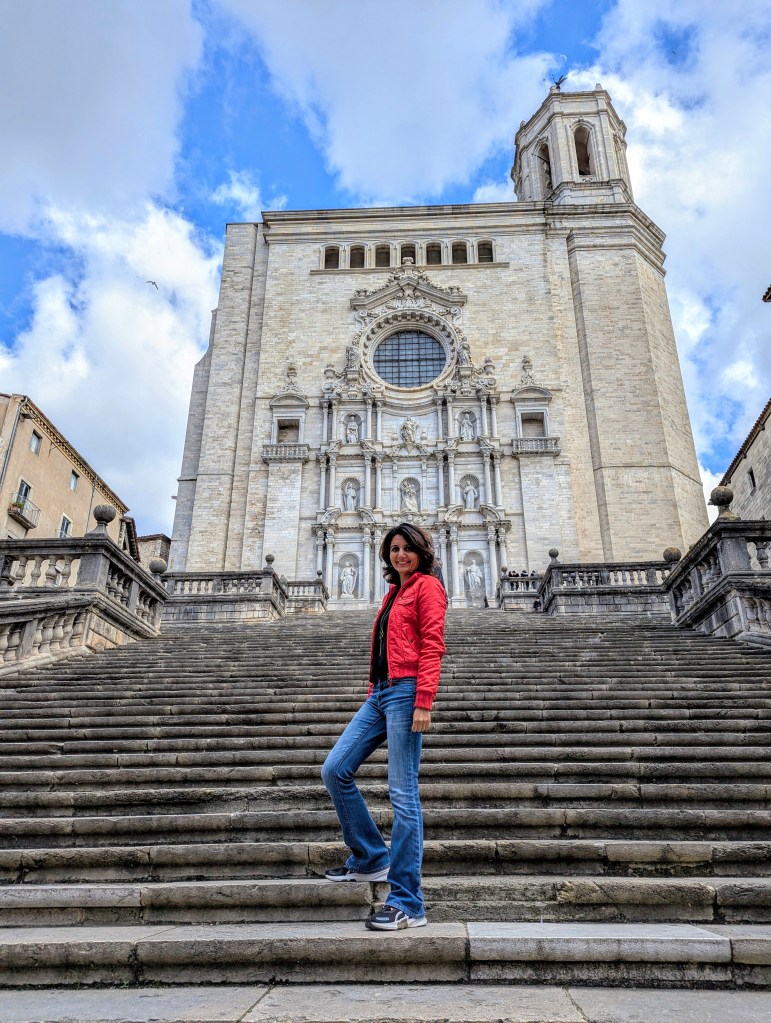
To understand food and culture, it is important to trace back the region’s historical and geographical past. Thus, the moment one understands that boundaries are constantly evolving, often drawn in war rooms or parliaments, rarely in nonna’s kitchen, will you have a eureka moment as to why the regions have different cuisines. Because there was no Italy or Spain or India the way you see it today. The lines were different, and the influences varied in each region, as did the lives and habits of the people. Language is a better indicator of cultural borders, much more representative than political boundaries.
This came to light when I recently visited Barcelona. Having earlier covered a large part of Spain on a road trip from Madrid to Granada and Seville before veering into Portugal, I always felt that I had missed out on exploring the eastern coast of Spain. This trip was supposed to be all about Gaudi, but instead, it became an eye-opener to the region of Catalunya.
Cataluña
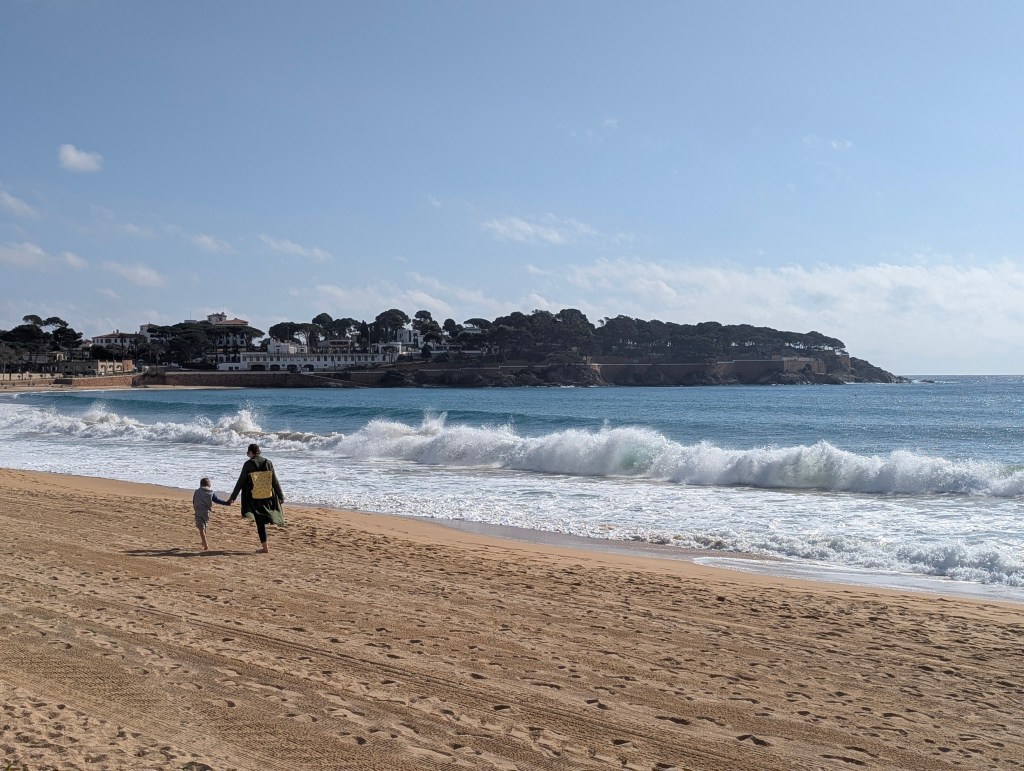
Barcelona is the capital of Cataluña, a region that was part of the Crown of Aragon long before the formation of modern Spain. Before that, Cataluña was one of the first Roman possessions in Spain, later occupied by the Goths and then the Moors. The separatist movement continues to simmer, with an unrecognised push for independence as recently as 2017.
Though Cataluña covers only 6% of Spain’s land, it is home to 16% of Spain’s population and is responsible for a whopping 20% of the country’s GDP. The language, forbidden during the totalitarian Franco regime, is a thing of pride for the locals, who even today consider themselves Catalan rather than Spanish, and the flag of Cataluña flies alongside that of Spain and EU on the official buildings.
Catalan Cuisine
While tourists flock to vibe-y restaurants in Barcelona’s old town and Passeig de Gràcia for tapas, many do not know that tapas is not inherently Catalan but a broader Spanish tradition. Now widely enjoyed in Barcelona and other parts of Catalunya, they are not as deeply rooted in Catalan culture as they are in other regions of Spain, such as Andalusia, where tapas originated. In Catalunya, the focus is more on full meals rather than the tapas culture prevalent in other Spanish regions. However, Catalan dishes have been adapted to small portions served in tapas style to appease tourists.
So, what is Catalan cuisine? The food in the region is highly seasonal and varies throughout the year. A salient feature is the intermingling of seafood and meat in the same dish, a surf and turf concept, if you may, that is missing in Madrid or other regions of Spain. The paella here is served as a mixed version too, something that you will not find in Valencia or elsewhere. The cuisine also likes to mix sweet and savoury flavours in the same dish, giving each bite complexity and depth. The use of honey, yoghurt, garlic and herbs helps achieve this balance.
What to eat in Barcelona
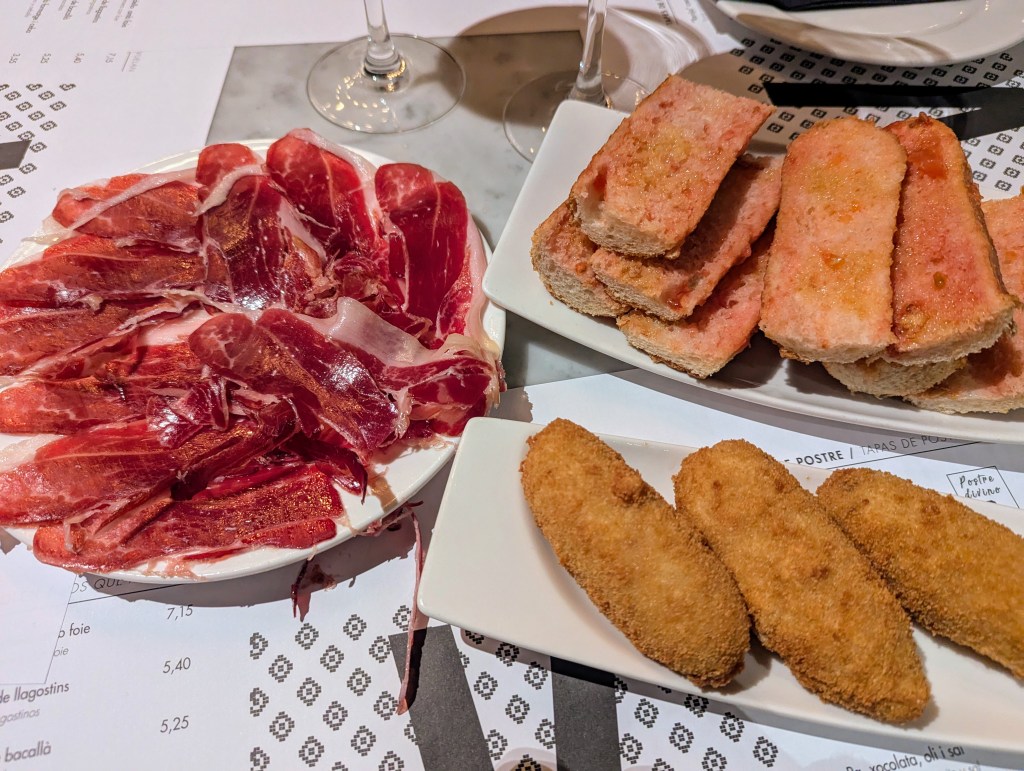
Some of my favourite dishes from the ones I tried in the region, both in Barcelona and in smaller towns such as Pals, Girona and seaside villages in Costa Brava include:
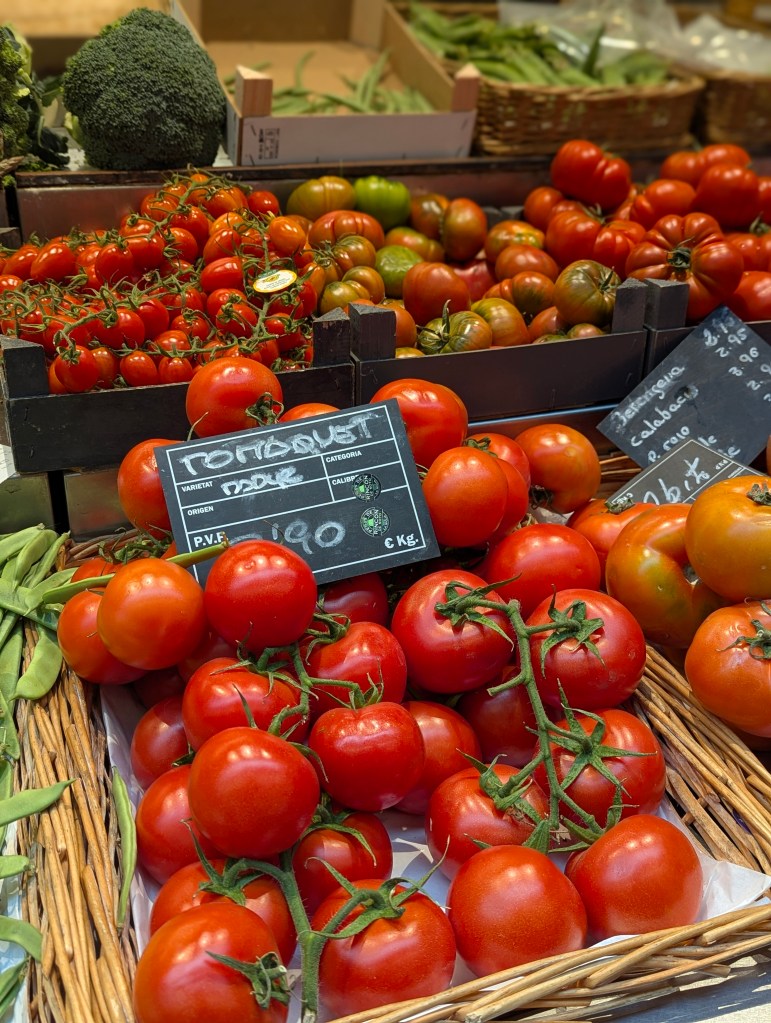
- Pa amb tomàquet: Bread rubbed with tomato, olive oil, and salt. Seemingly simple, you would never pick it up from a buffet table. Big mistake. It is a flavour-bomb thanks to the quality of olive oil and tomatoes used.
- Esqueixada: A salad made with shredded salt cod, tomatoes, and other vegetables. There’s a lot of seafood in Catalan cuisine. Cod, sardines, prawns, octopus and lobster find centrestage.
- Suquet de peix: A fisherman’s stew with monkfish and potatoes
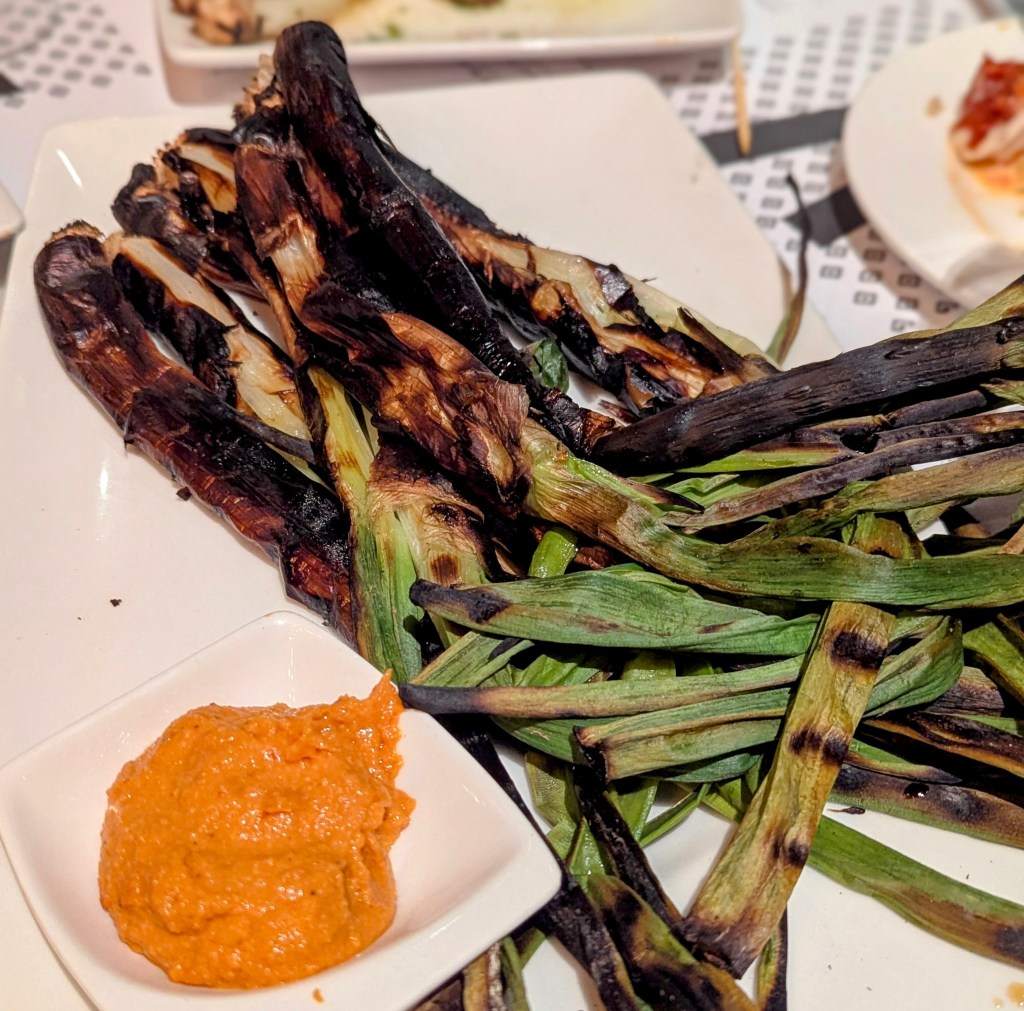
- Calçots: Grilled spring onions served with romesco sauce. This was the most fun dish to try for me. Very local, and found only in authentic places, for a few months in the year. Calcots (leek-like vegetables) are charred black on the barbecue and served with an almond-paste-based romesco sauce. You are meant to peel back the burnt outer cover, dip the calcot in the romesco sauce and take a bite. Messy but oh-so-delicious.
- Paella: Though paella is originally from Valencia and not Catalan, the version eaten in Catalan differs from those elsewhere. The infusion of garlic, use of both seafood and meat (a concept called mar i muntanya or sea and mountain), and the practice of avoiding mixing the paella once the rice has been added to the pot, allowing the ingredients to relax and soak up the flavours, makes Catalan paella taste different and unique.
The more you travel, the more you realise that the world is a mosaic of a million little pieces. People, land, cultures – there are myriad differences within the borders we keep redrawing. And if we take the time to see the differences, and appreciate their influences, we better understand the culture and the sentiment of each region, rather than a superficial macro view without attention to nuances. It takes a million bites, and then some more, to understand the world better.
 Life In A Million Bites