My best friend is planning a trip to Japan and asked me for my recos. And while I was digging through my notes and photos for names of places I love, I remembered why I had started these city guides in the first place.
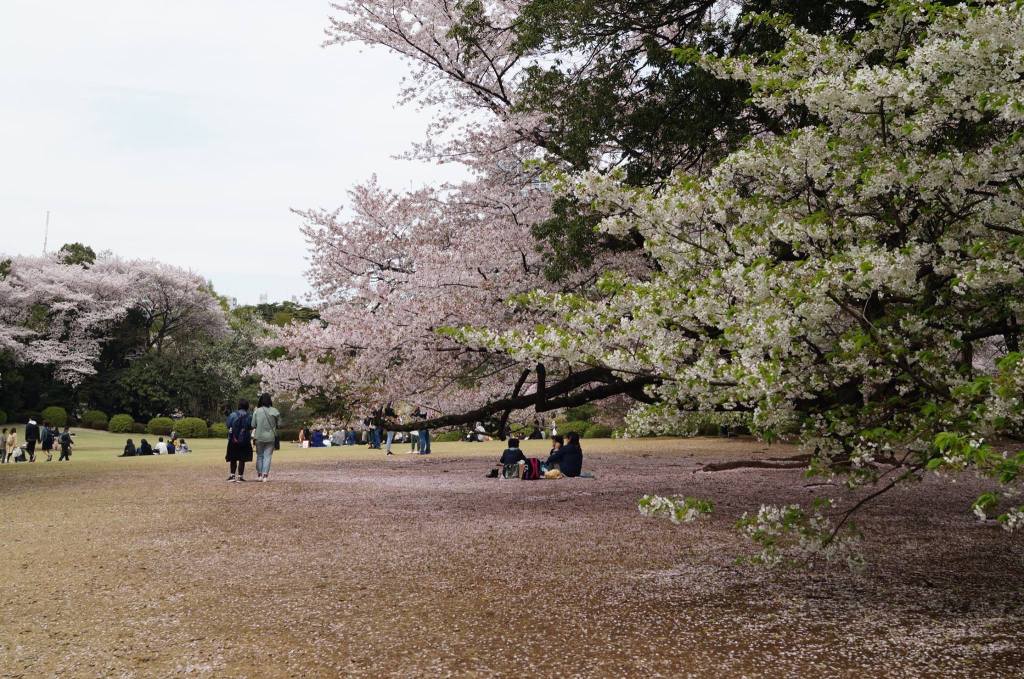
Thus, for the love of travelling, and in light of my fast fading memory, here are my top recommendations for Tokyo. Whether it’s your first trip to the city of your fourth, Tokyo never fails to amaze. I do suggest, however, that if you are travelling there on work, you take a few days off. Make sure to explore the city. If that is not possible, at least spend your evenings out. Avoid being stuck in the hotel club lounge. Or worse, the local watering hole with your colleagues. Tokyo has so much to show you, if only you’d take the first step.
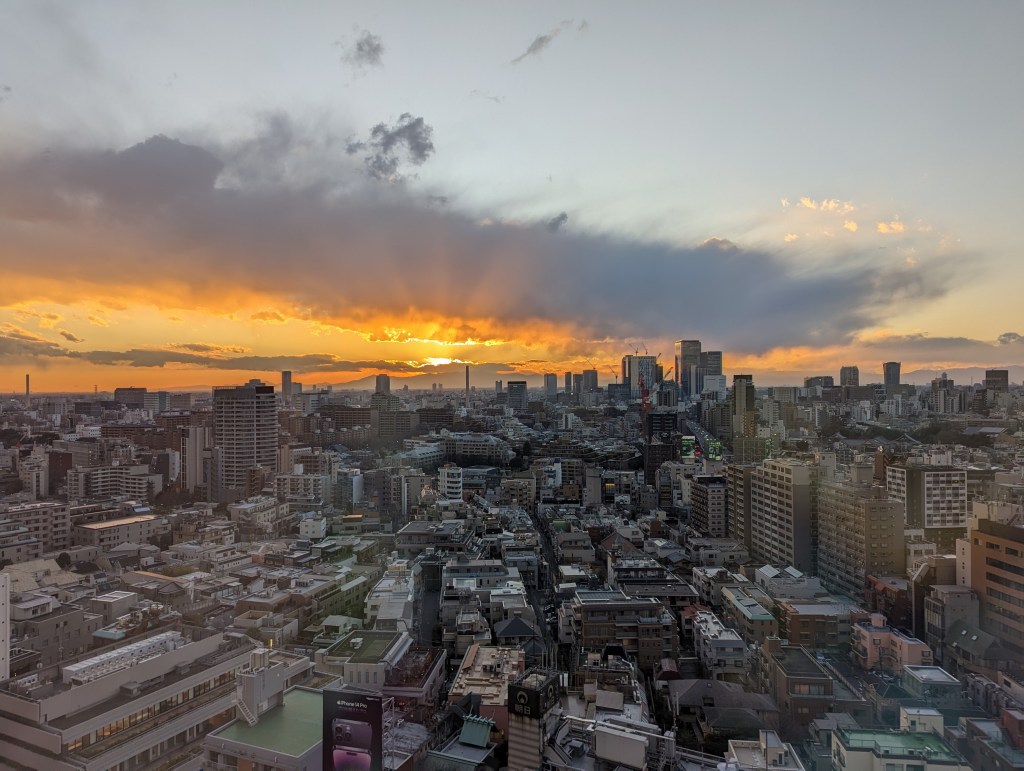
Top Cultural Experiences in Tokyo
Meiji Shrine
Time needed: 2 Hours
Theme: Culture & Zen
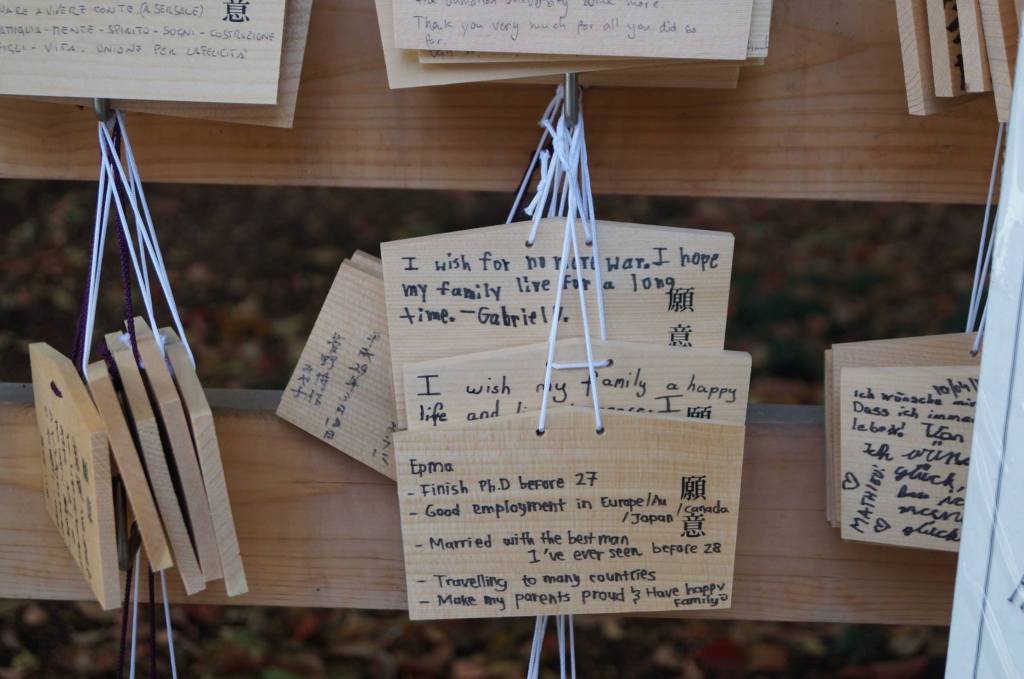
Pro Tip: Don’t miss the cleansing ritual at the temizuya (water pavilion). Also, the prayer/wish cards hung at the shrine by believers.
Enter through the towering outer gates. As you start walking towards Meiji Shrine, you find yourself lost in this little world. You forget that you are in the heart of the busiest metropolis in the world. Take your time and wander. Follow the locals in their customs, such as the cleansing ritual before you enter the temple. Spend a glorious 2 hours here.
Sakura/ Cherry Blossoms
Time needed: 1 Hour
Theme: Nature
Pro Tip: Take a picnic blanket and some snacks and beverages along
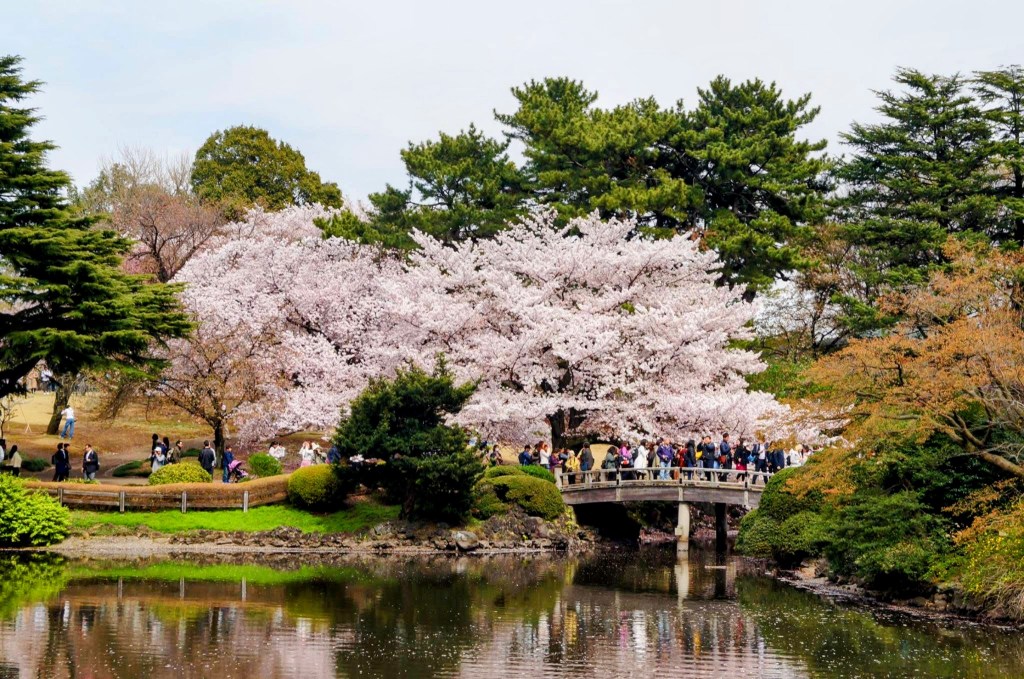
If you are visiting during Sakura, do check the dates for the blossoms in the calendar before booking your tickets. The dates change every year and are city specific. For example, Tokyo will flower before Sapporo. To enjoy the cherry blossom season, find a park closest to you and spend a few hours just walking around. To the Japanese, the season is sacred, but also much loved. You’ll often find locals picnicking in the parks on a nice sunny day. I personally love Shinjuku Gyoen National Garden during Sakura. Ueno Park is also lovely.
Izakayas in Shinjuku
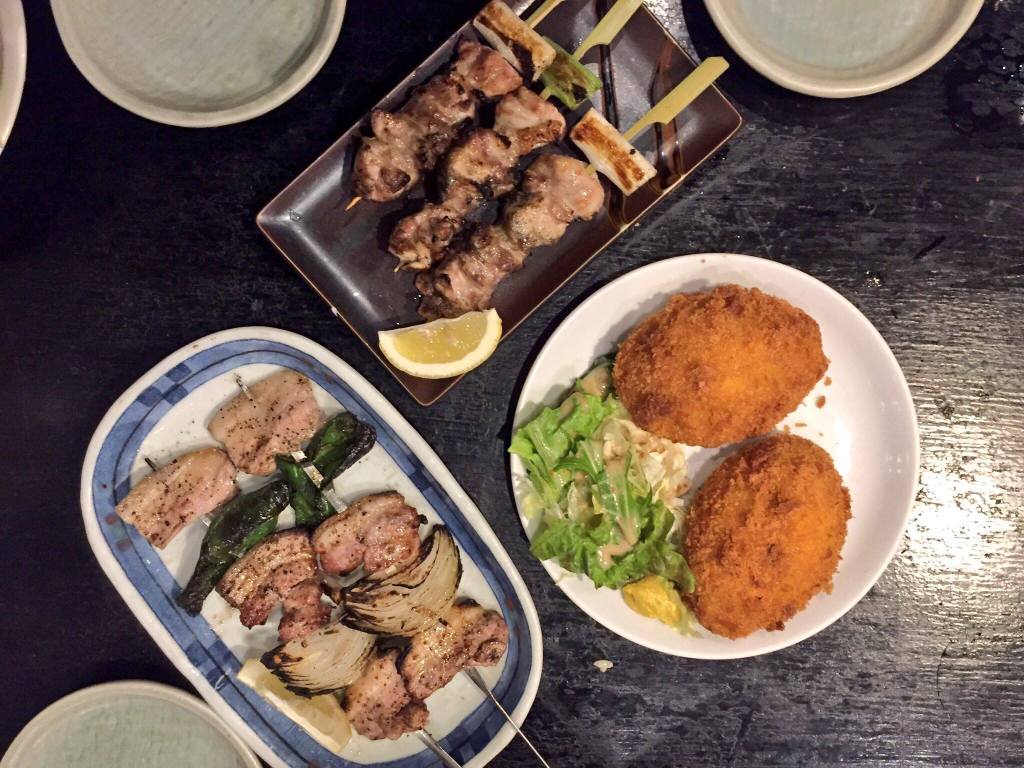
Time needed: 2 Hours
Theme: Dining
Pro Tip: These typically come alive around 6:30-7pm.
Japanese work culture, similar to the Koreans, is to head to an izakaya with colleagues after work every day. They will down a beer or ten, and order yakitori for the table to accompany it. Enjoy an izakaya evening by heading to one of the many holes in the wall in Shinjuku. You don’t really need a tour for this. Just wander around. Find one with a vibe you like. Enter it.
Bar hopping in Golden Gai
Time needed: 2 Hours
Theme: Dining
Pro Tip: These typically come alive post 8pm
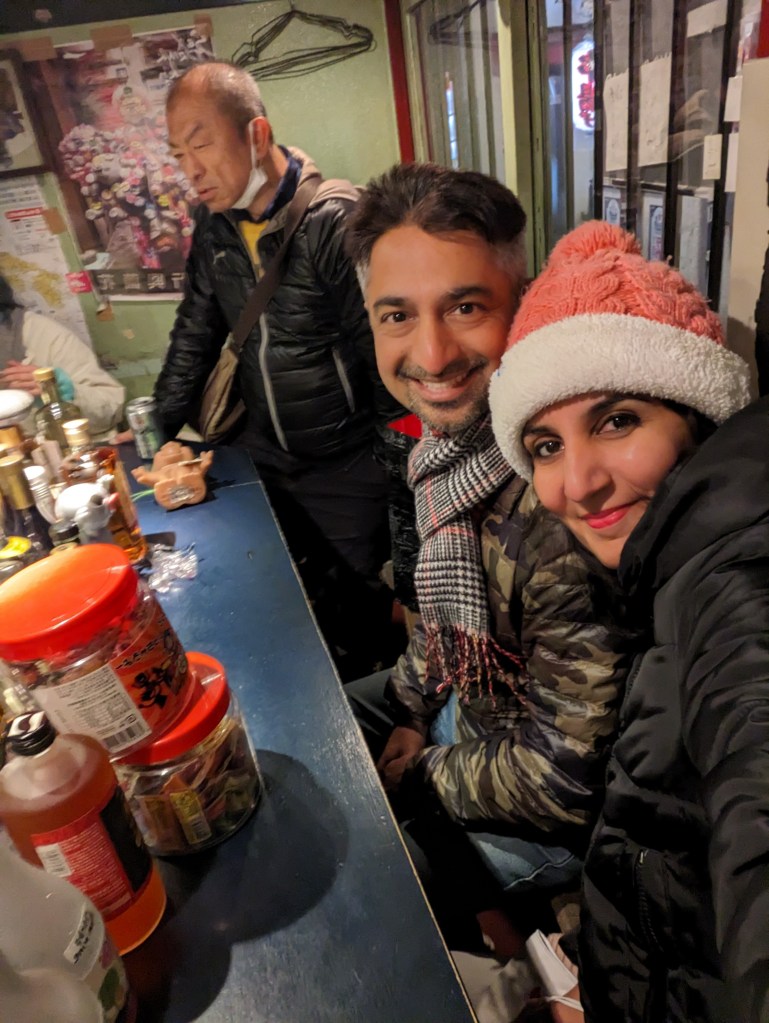
Golden Gai may be touristy but it’s one hell of a party. One of my favourite spots in Tokyo, this compact grid of lanes is choco-block with small 2-3 person bars. It’s literally just you and the bartender in some of them. Some are foreigner-friendly and some prefer locals. But Japanese hospitality will never allow anyone to turn you away. Just walk into a few, chat with the bartender over a drink, and then head out to the next one. Don’t expect food here, and do check out the notes left behind by other travellers on some of these walls.
Hachiko Statue and the Famous Shibuya Crossing
Time needed: 1/2 Hour
Theme: Sightseeing | Shopping
Pro Tip: Please do NOT pause in the middle of the road to take a photo. Get to the other side and take it from the pavement.
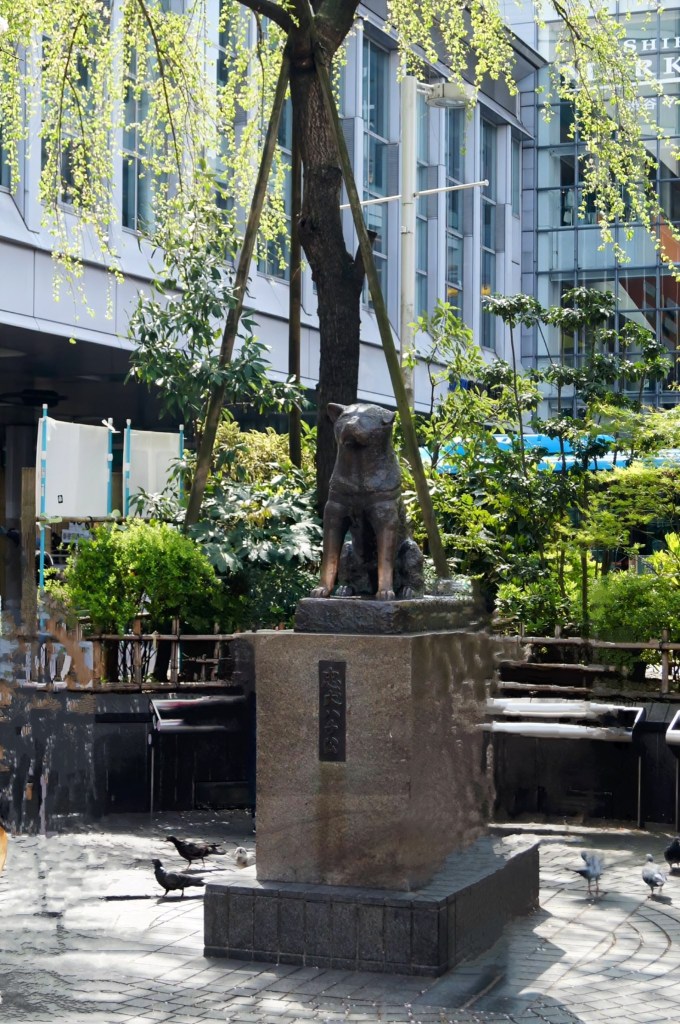
If, like me, you’ve cried your eyes out while watching Hachiko, the statue is a must visit. Located just outside the Shibuya train station, you may find a winding queue of people wanting to take a photo with Hachiko. Just do what I did and take a photo of the statue from the side and move along. The main Shibuya crossing is also iconic in popular culture. It is known as the world’s busiest pedestrian crossing. As many as 3,000 people cross during a single green light cycle. Shibuya is a business district but also fun for shopping if you want to look around.
Asakusa Street Food walk
Time needed: 4 Hours
Theme: Culture | Dining
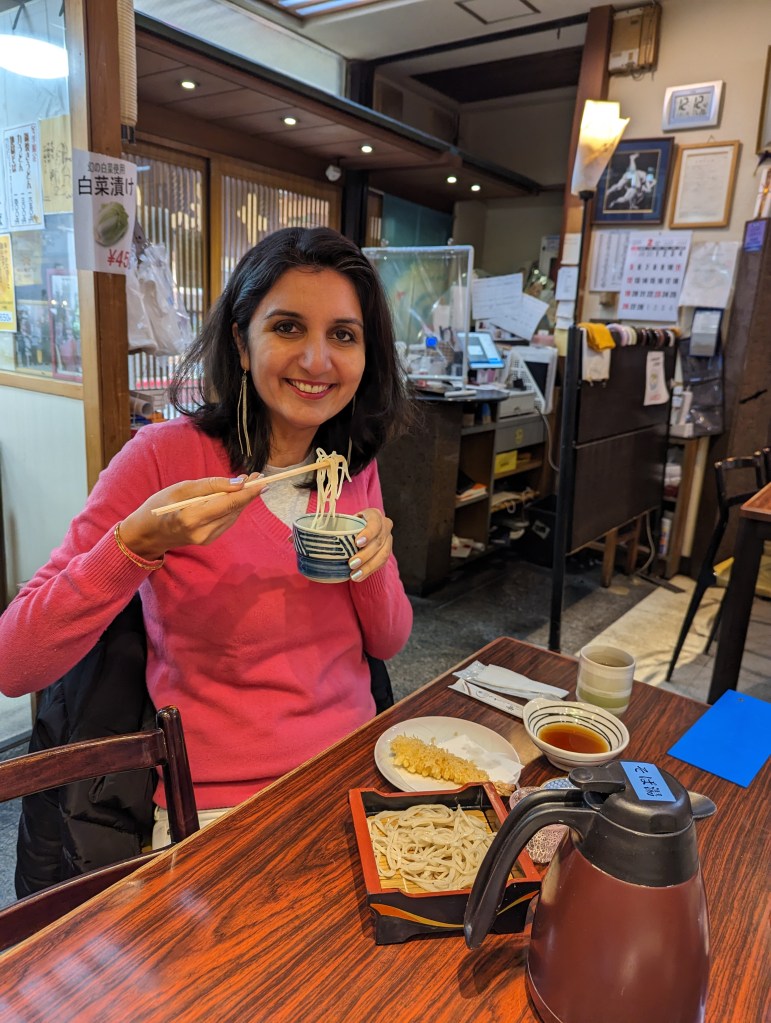
Pro Tip: I did this Street Food Walk in Asakusa and loved it. It’s a great way to explore the town, especially for food lovers. Do keep an hour before the tour starts to discover the temple and walk around.
One of the best things I have done in Tokyo is actually slightly outside the city. Asakusa is set in northeast Tokyo along the Sumida River. It is the soul of the city’s shitamachi (old town). Tokyo’s historic character is most vividly preserved there. Home to the iconic 7th-century Senso-ji Temple and the lively Nakamise-dori shopping street, it’s one of the best places to experience the atmosphere and traditions of the Edo period. Asakusa is easily connected by train and not too difficult to add into your itinerary. There’s also an entire street dedicated to shops selling kitchen tools like the knives that Japanese chefs are famous for.
Authentic Experiences To Book in Tokyo:
Sumo Wrestling Practice via Airbnb Experiences
From the days of Yokozuna, I have been fascinated by Sumo wrestlers. If you can manage tickets to a championship while you are in Japan, nothing like it. Else, this Sumo tour is a great way to get a glimpse into the Sumo way of life. You can see their morning practice up close and personal. Do note that you have to wake up very early in the morning for this. They are typically a little outside the central city. Please remember the customs and norms explained before the session. Avoid eating and drinking. Maintain silence during the practice.
Authentic Samurai Culture via Airbnb Experiences
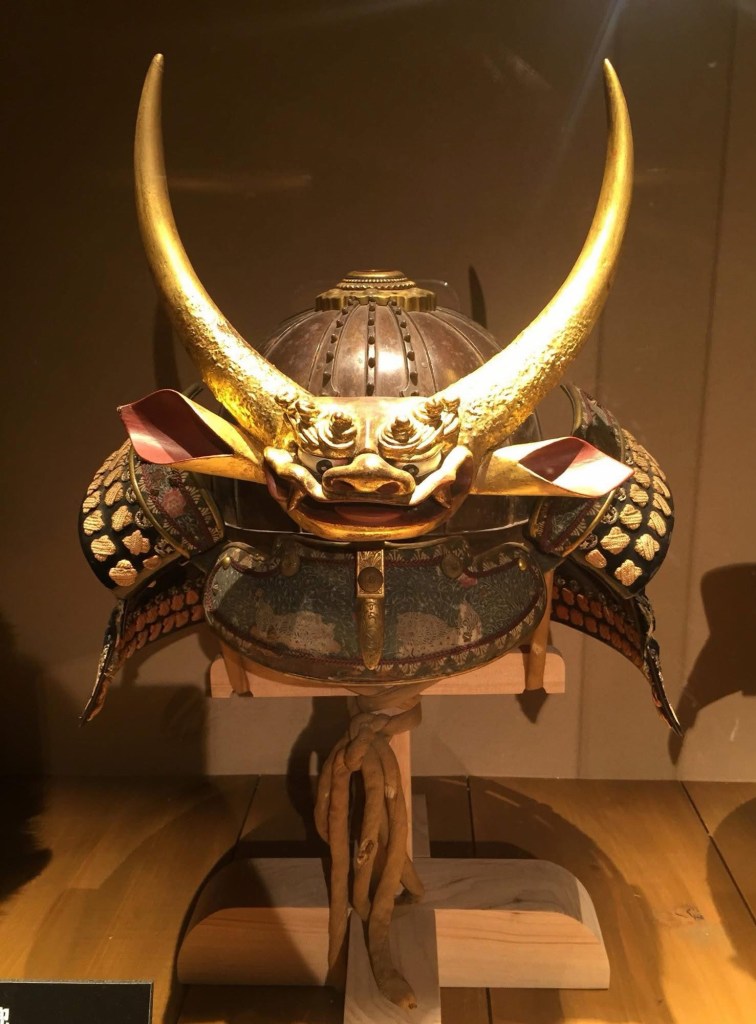
Another great one, if, like my husband, you are fascinated with Samurai culture, is the Samurai experience. Step through time into authentic samurai culture. Discover their kimono and hakama dresses, traditional tea ceremonies, and sword-handling techniques. Experience meditation and enjoy a live performance by a genuine samurai practitioner.
Home Cooking Session via Airbnb Experiences
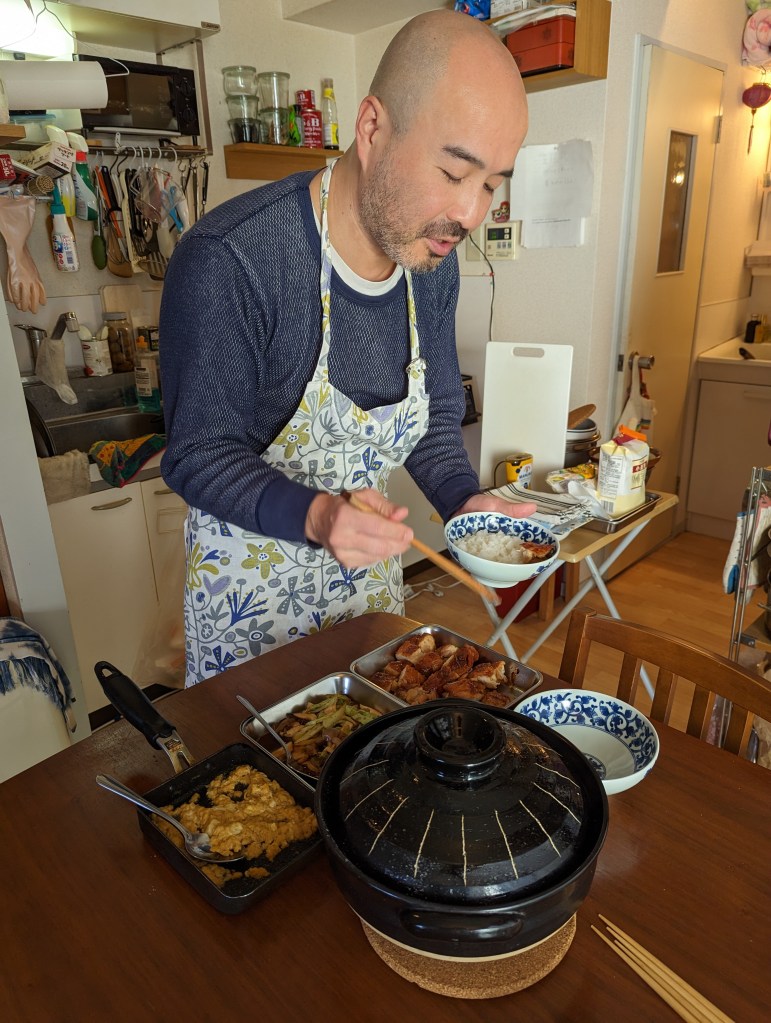
Nothing gets more authentic than this. Instead of taking a cooking class in a restaurant or a fish market, I chose a more personal experience. I opted for a private/small group cooking class in the home of a local. Seeing how the locals live is something that no tourist spot can offer you, and for that, this was priceless. The class also taught me a lot about Japanese cooking techniques. For example, not adding salt while cooking and letting soy sauce do the seasoning. I also learned how to make miso soup, teriyaki chicken, and other delectables. The host has a personal family connection to one of the oldest and most prominent miso factories in Japan. PS – Even making rice is an art form!
Where to Stay in Tokyo
The top tip for staying in Tokyo is that you must stay in a hotel near a train station. The best locations are near train hubs like Shinjuku. I personally prefer Shinjuku for my Tokyo stays as it is central to everything. They Hyatt Regency Shinjuku has a shuttle to the train station too. Alternatively, Ropongi Hills is also fairly convenient, especially the Grand Hyatt, which adjoins a mall and a train station.
Food deserves its own post so I will not add it here. Needless to say, food in Japan is spectacular and reason enough to visit my second-favourite country in the world. Look out for my upcoming post on what to eat in Japan.
Disclaimer: No part of this content is sponsored. I have booked and paid for all the experiences mentioned.
 Life In A Million Bites